
Expert Insights on Solar, Batteries and Power Bills
A collection of energy explainers, customer stories and industry perspectives from our crew here at Amber.
Categories:

We've grown a lot recently, and a lot is happening behind the scenes. This page is updated regularly with what's changed and what it means for you.

Chris here, Co-CEO of Amber, with your spring update. There's plenty happening at Amber as we head towards summer, from shifts in wholesale electricity prices and new network tariffs to more ways to get value from your battery and EV.
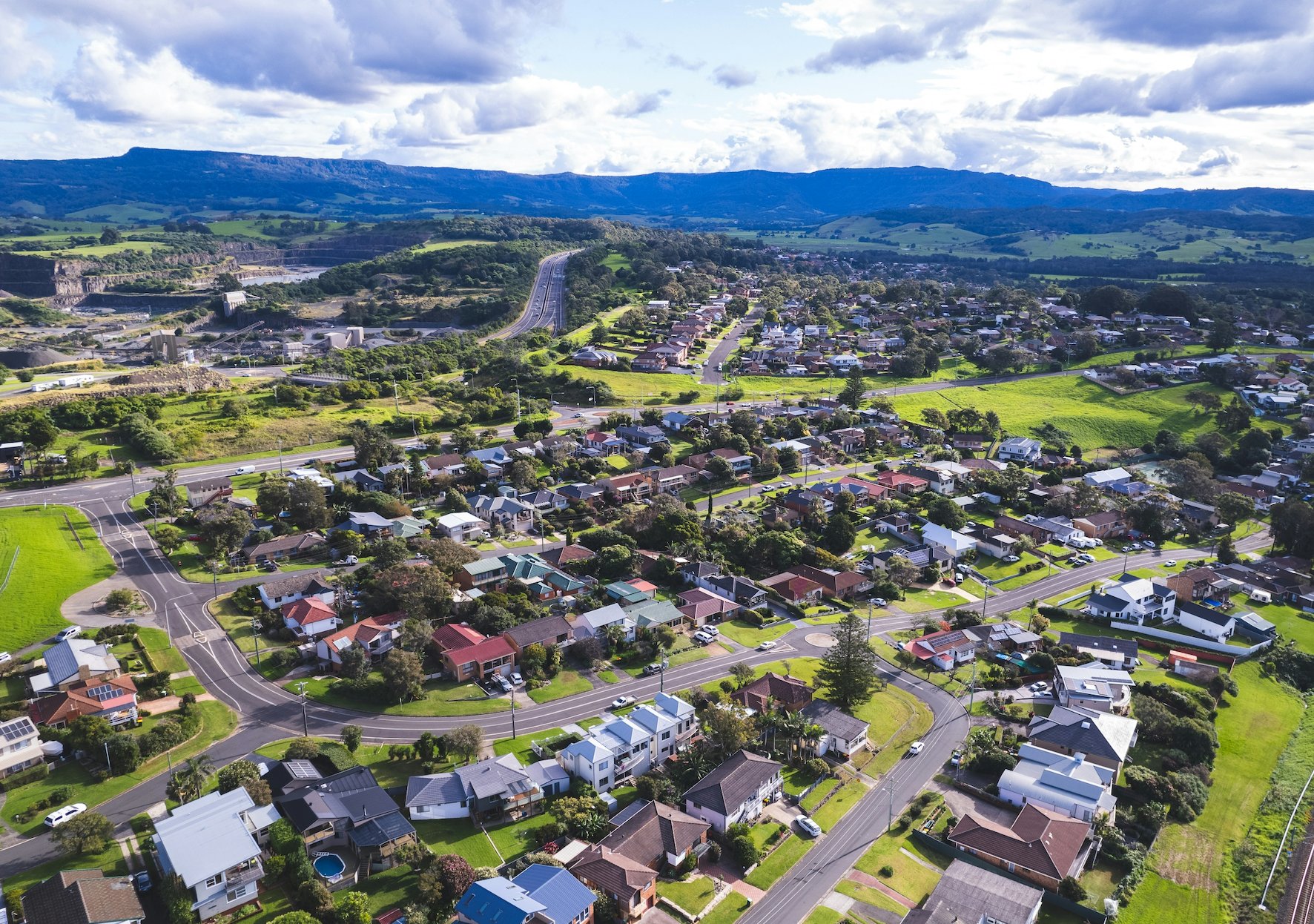
On Monday 12 October, wholesale electricity prices in NSW surged to $23.11 per kilowatt hour (kWh), just shy of the market price cap of $23.20/kWh. For Amber battery customers, it created a huge opportunity.
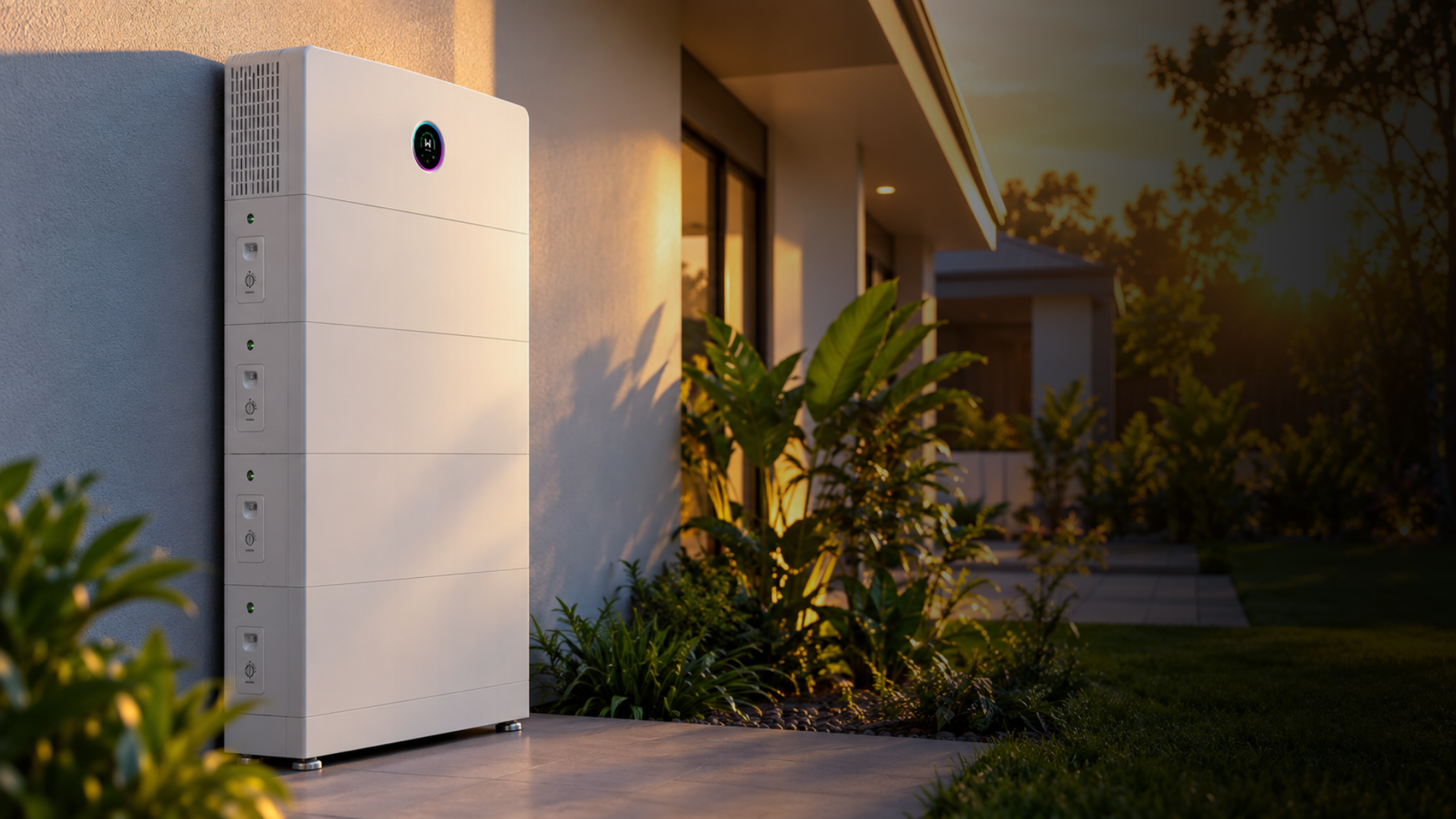
Good news for GoodWe ESA owners. You can now connect your eligible home battery to Amber, giving you access to automated battery optimisation and wholesale electricity prices.

Picture a house with five people. A pool pump running most of the day, ducted heating working through a cold winter and an EV plugged in overnight. Someone is always home, something is always on… And the electricity bill reflects it. For a home like this, the plan you’re on can have a much bigger impact than it would in a home with lower energy use. When you use a lot of energy, small differences in how a retailer prices can add up quickly. Here's what to look at when choosing an electricity plan.

Australia’s main electricity grid just hit a new renewables record. On 19 September 2026, rooftop solar alone met more than half of the National Electricity Market's (NEM) demand for about 30 minutes at lunchtime.
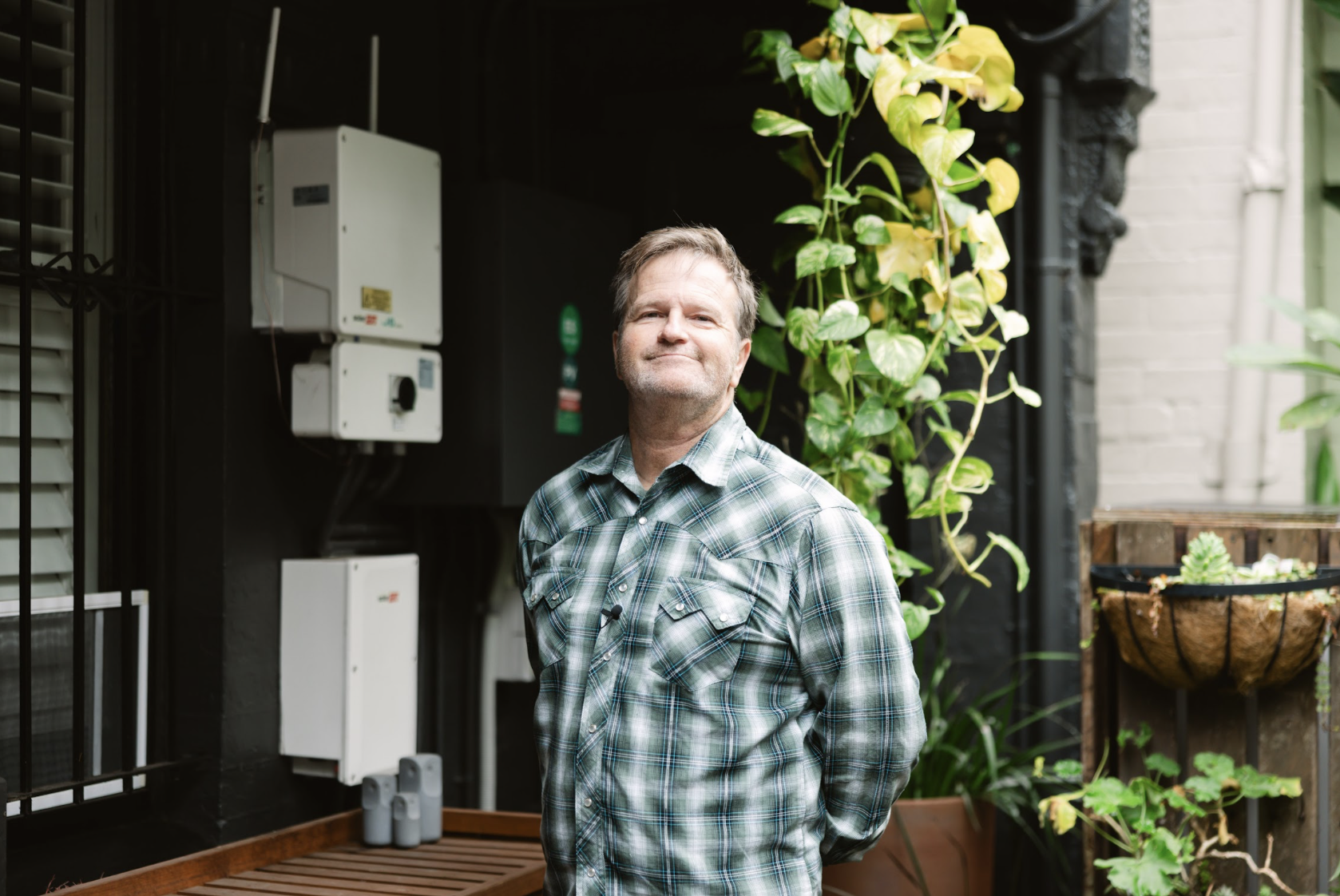
For years, rooftop solar was the move for Aussie households who wanted more control over their power bills. It's still popular, and installs are still climbing. But something else is now going onto Australian homes more often than panels are. Batteries are being installed at a faster rate than rooftop solar.
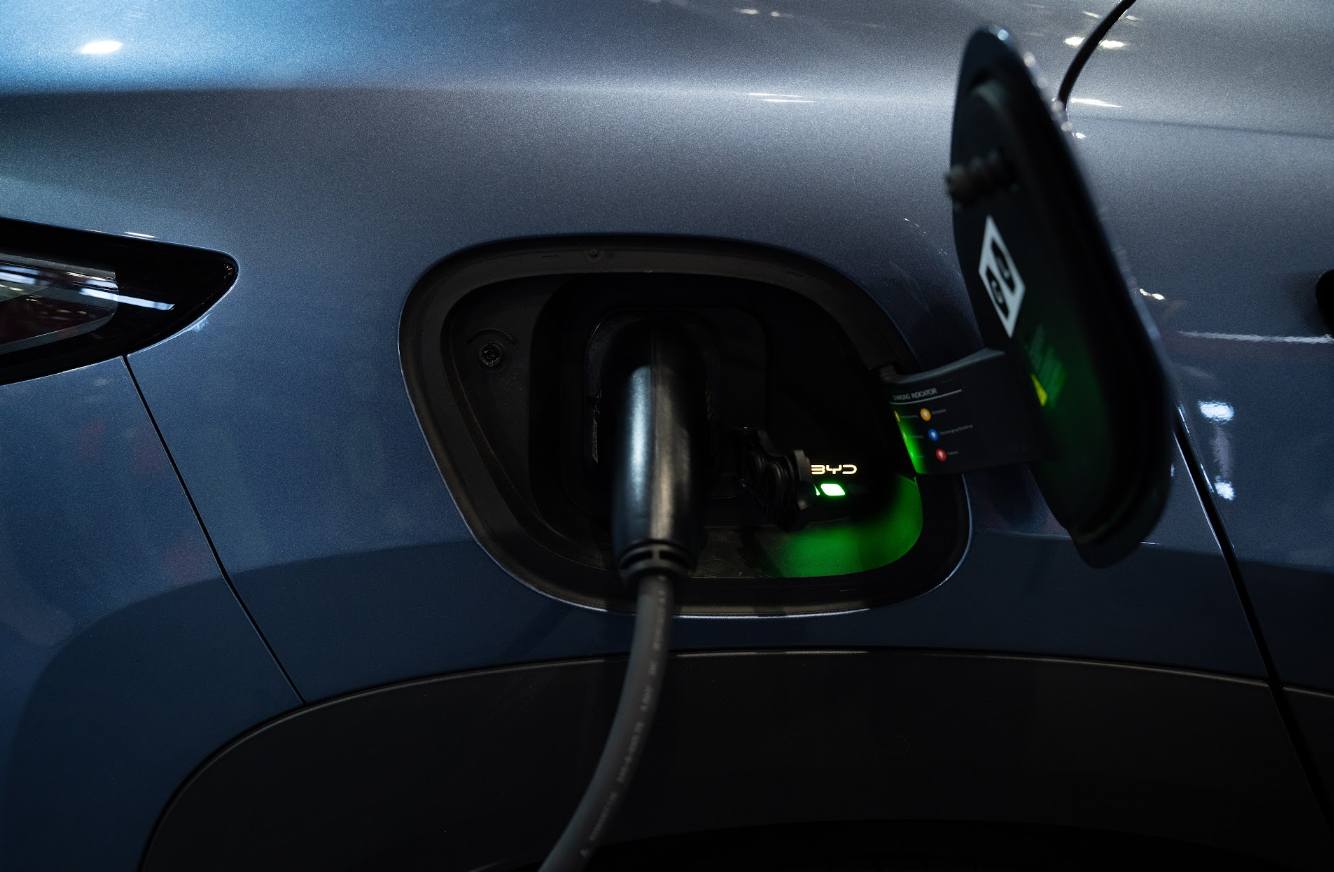
September was a big month for EVs and V2G in Australia. Demand for EVs kept breaking records, the BYD Sealion 7 joined our V2G program, and the fleet put its parked batteries to work.
South Australia is one of the best places in the country to own a battery. It has some of the highest rooftop solar uptake in the world, and more than 11% of homes now have a battery.
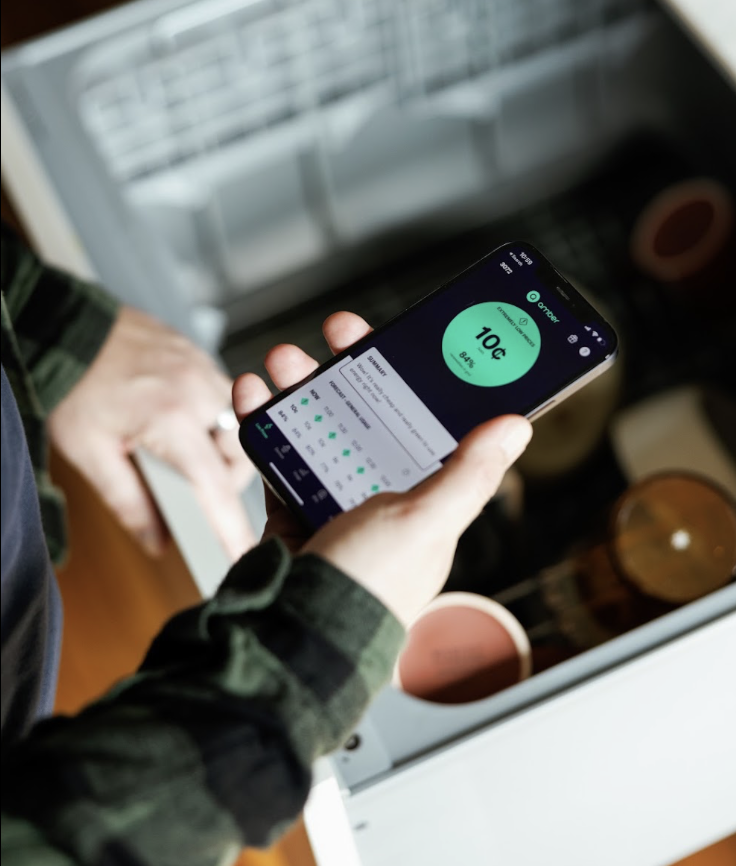
Over the past six months, we’ve made a series of improvements to how SmartShift works, from better forecasting and demand charge protection under the hood, to giving customers much more visibility when something isn’t working as expected.
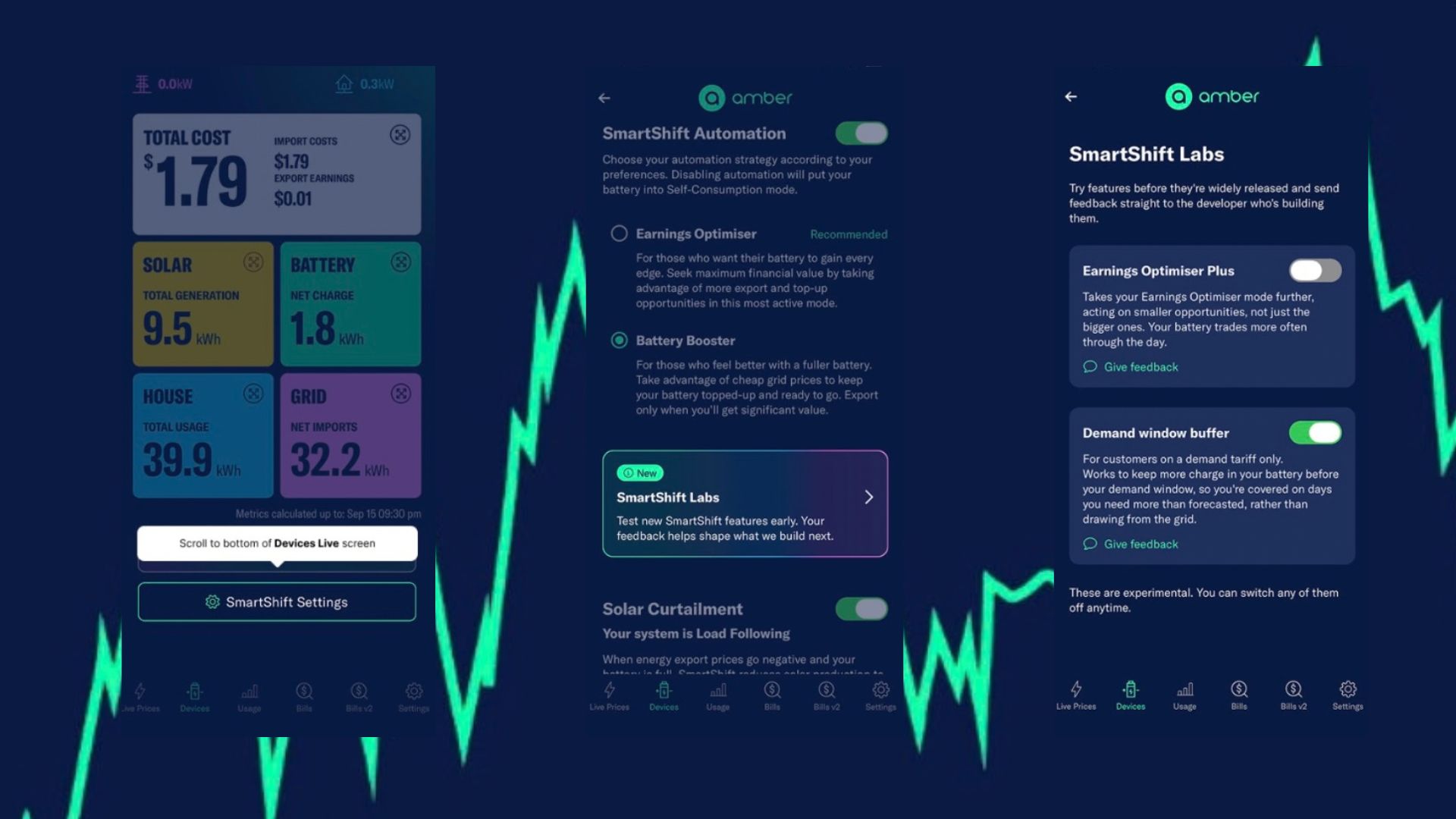
We’re constantly testing new ways to make SmartShift better, whether that’s finding more opportunities for your battery to earn, protecting you from expensive demand charges, or giving you more control over how your battery is automated.
.jpg)
If you’re thinking about buying a home battery, there’s one question you probably want answered first: how long will it take to pay for itself? That’s your battery’s payback period, and it’s a big part of working out your return on investment (ROI).


